
As Europe accelerates toward a green and digital future, the demand for lithium-ion batteries – powering everything from electric vehicles to smartphones – is soaring. But with growing usage comes a growing challenge: how do we recycle these batteries sustainably, efficiently, and safely?

The Hidden Helpers: How Bacteria Can Recycle Batteries
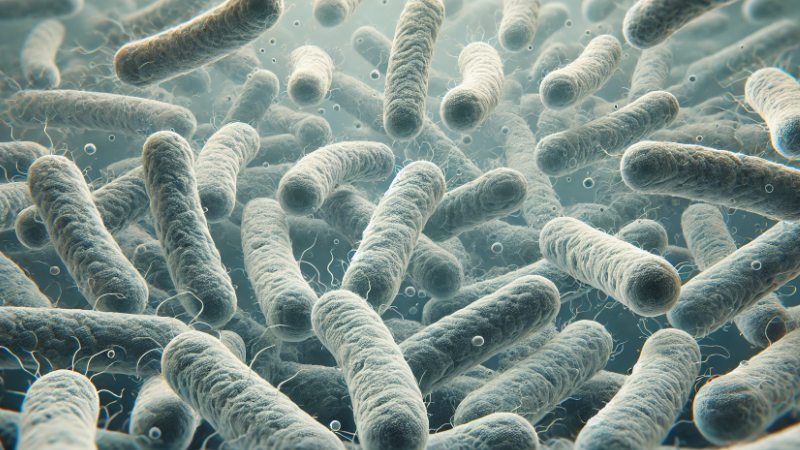
At first, bacteria might not seem like the obvious solution to recycling high-tech materials. But research has shown that certain bacteria can perform extraordinary tasks – including helping to recover valuable metals from battery waste. acib GmbH is leveraging its expertise in industrial biotechnology to develop biotechnological processes that use microorganisms to extract metals like cobalt, nickel, and lithium from spent batteries. This method is called bioleaching.
What is Bioleaching?
In simple terms, bioleaching uses bacteria to “digest” battery waste. Specific strains of microbes can convert insoluble metal compounds into water-soluble forms, allowing these valuable elements to be recovered in a more environmentally friendly way. Unlike conventional methods – which often rely on harsh chemicals or high-temperature smelting – bioleaching:
- Requires less energy
- Produces fewer toxic emissions
- Allows selective recovery of specific metals
- Can be integrated into circular economy strategies
A landmark scientific paper co-authored by acib GmbH, published in the journal Resources, Conservation and Recycling, outlines how bioleaching could complement or even replace existing recycling technologies. The study highlights both the biological potential and scalability of this method for industrial applications.
acib’s Role in BeyondBattRec
Within the BeyondBattRec project, the acib team at BOKU University in Tulln will develop a process for biogenic acid production with the help of sulfur-oxidizing bacteria. The identification of new bacteria to generate sulfuric acid – for example from different environmental samples– will be part of the work. The acidic environment is the key to bioleaching and metal recovery from the battery waste.
Through these efforts, acib contributes to making battery recycling not only greener, but also smarter and more resource-efficient.
Why This Matters
Recycling critical raw materials like lithium and cobalt is essential for Europe’s energy independence and environmental sustainability. By turning to biology – nature’s own chemistry lab – acib and BeyondBattRec are helping Europe close the loop on battery use, ensuring that tomorrow’s technology leaves a lighter footprint on our planet.
Picture by acib